Transform Your Property: Key Information On Residential Improvement Projects for All Property Owners
Property owners frequently look for options to upgrade their residences by using renovation services. These projects can range starting with kitchen improvements to full house remodeling. Understanding the options available is vital for choosing intelligently. Furthermore, there exist practical considerations including financial planning and contractor selection. When property owners embark on this process, they might encounter unforeseen difficulties. The key to a successful transformation lies in thorough design and implementation. What steps should be taken next?
Grasping the Diverse Forms of Residential Renovation Work
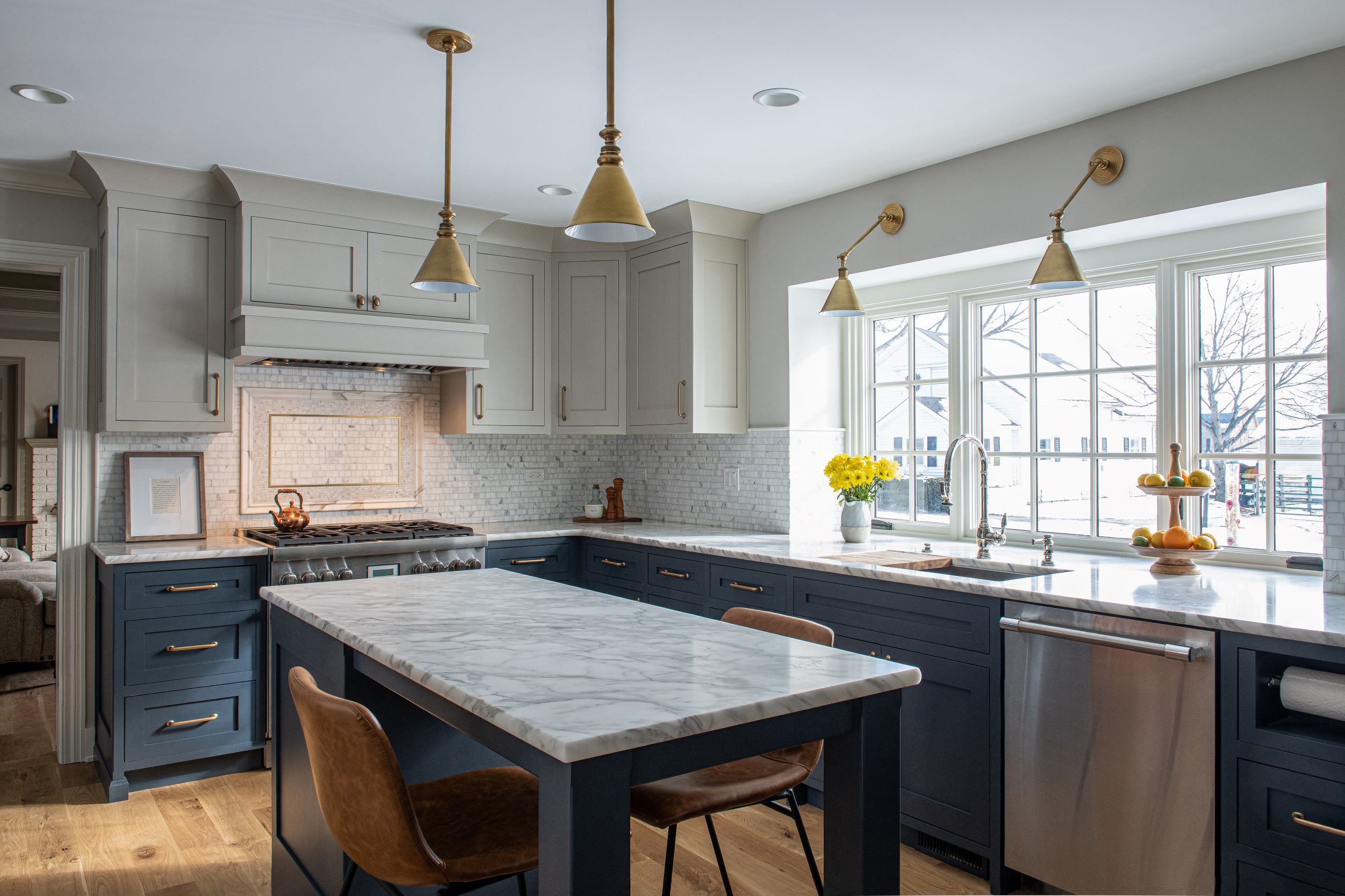
As householders look to improve their residences, they typically find many different types of services tailored to different needs and preferences. These projects are generally grouped into several types, all dealing with certain elements of house upgrades. Renovating the kitchen involves upgrading equipment, storage units, and layouts to improve usability and visual appeal. Bathroom remodeling typically involves upgrading fixtures, the ceramic work, and storage solutions for better convenience and style.
Complete residential remodeling includes significant changes throughout the residence, frequently involving changing the structure to optimize space and flow. Outdoor renovation projects, conversely, concentrate on enhancing curb appeal, handling the exterior walls, the covering, and landscaping. Furthermore, specific options including converting the cellar and upgrading the attic allow homeowners to maximize unused areas. Each type of remodeling service delivers specific perks, enabling homeowners to choose options that align with their vision for their living environment. Grasping these differences is essential when making informed decisions throughout the remodeling project.
Setting a Realistic Budget for Your Home Improvement Work
What steps ensure their remodeling projects remain economically sound? Establishing a realistic budget is necessary. Property owners must start by evaluating their financial capacity, like savings and available loan choices. This preliminary action helps establish the amount that can be set aside for the remodel while maintaining other fiscal obligations.
Subsequently, property owners need to look into the financial requirements of their intended changes, taking into account materials, labor, and unexpected costs that frequently occur. Creating a detailed list of priorities will assist in distinguishing essentials from desirable features, making it possible to adjust if funds become limited.
It is smart to incorporate a reserve fund, typically around 10-20% of the total budget, to handle unforeseen expenses. Regularly reviewing and adjusting the budget during the renovation project is also useful for preserving fiscal oversight. Ultimately, a well-planned budget does more than just confirm the project can be done but also enhances the overall remodeling experience for those living in the home.
Choosing the Right Contractor for Your Needs.
Choosing the appropriate professional can significantly affect how well a renovation turns out. Property owners ought to start by doing comprehensive research, asking for referrals from friends, family, or internet reviews. It’s vital to verify credentials, such as licenses, insurance, and surety bonds, to verify their standing.
After suitable professionals have been found, property owners must ask for comprehensive quotes and schedules, allowing for informed comparisons. Meeting with them offers a look at their manner of communicating and their professional conduct, which are essential for a collaborative process.
In addition, looking at completed jobs through galleries or recommendations shows the builder's standard of work. Homeowners should also inquire about warranties or guarantees, which shows the professional's belief in their output.
Ultimately, selecting a contractor who aligns with the homeowner’s vision, budget, and timeline creates a better renovation journey, ensuring the work fulfills requirements and changes the space as intended.
Planning and Designing Your Perfect Area.
As those renovating imagine their desired rooms, careful planning and thoughtful design become essential components of a triumphant renovation effort. The beginning stage requires reviewing existing necessities and future desires, allowing for a thorough understanding of how the space will be used. It is important for homeowners to weigh practicality, visual appeal, and personal style, making sure the design captures their unique preferences.
Subsequently, creating a detailed budget is vital. This budget should cover supplies, workforce costs, and potential unforeseen expenses. Consulting with design experts can give meaningful advice, assisting in improving the layout while adhering to budgetary constraints.
Integrating components like ample daylight, spacious designs, and eco-friendly supplies can elevate the living environment. Lastly, seeing the project via sketches or digital renderings can aid in refining ideas before starting the work. When handling the initial design phase deliberately, homeowners can build a comfortable, effective space suited to their way of life.
Understanding Regulations and Permits in Home Remodeling
Grasping the intricacies of permits and rules can be challenging for homeowners starting on a remodeling project. Every local government sets particular guidelines that dictate what is permissible during renovations, often influenced by area restrictions, building codes, and safety standards. It is essential for homeowners to understand local regulations to avoid costly fines or setbacks in the timeline.
In most cases, getting permits is mandatory for major changes, such as structural changes or electrical work. This process usually necessitates providing designs for examination and might demand site visits at different phases.
Hiring an experienced builder can streamline these steps, as they are often familiar with local codes and can help manage the documentation. Owners must also maintain clear communication with the municipal planning office learn the facts to verify legality throughout the project. By grasping and navigating these regulations, homeowners can achieve their remodeling goals while ensuring safety and legality in their renovations.
FAQs
How Much Time is Needed for a Typical Remodeling Job?

A standard home renovation generally requires between three to six months, contingent upon the extent of the project, scale of the house, and supply chain status. Intricate jobs could demand more time for completion.
What are frequent blunders you should steer clear of throughout the renovation process?
Typical pitfalls during remodeling are things like failing to budget properly, ignoring necessary permits, not adhering to the project schedule, not maintaining clear communication with the construction team, and not considering long-term functionality. Awareness of these pitfalls helps ensure a less stressful, more positive renovation outcome.
How should I go about choosing the appropriate materials for my renovation?
Choosing the right materials involves evaluating how long they will last, the look and feel, and cost constraints. Researching options, getting expert advice, and thinking about upkeep can greatly aid in making informed decisions, to guarantee the project fits your needs and preferences.
Can I live in my home while the remodeling is happening?
Yes, one can live in the house during renovations, but it might cause disruption. Careful planning, maintaining open dialogue with your builders, and setting aside certain zones for daily use will reduce the inconvenience while the work is underway.
What warranties should I expect by my builders?
Clients typically receive warranties for the labor performed, materials, and key building elements, typically ranging from one to ten years. It is crucial to review specific terms and conditions alongside your builders to understand coverage and limitations fully.